
Pentas
When other plants fade in Florida’s hot and humid summers, pentas truly shine.
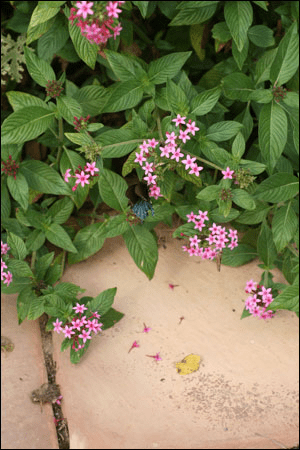
These attractive plants produce red, pink, or white flowers throughout the summer and are a great source of food for hummingbirds and butterflies.
Pentas (Pentas lanceolata) is one of those plants like coleus and vinca that has become widely known by its Latin name instead of a different common name. The genus is so-named because there are five lobes at the end of each tubular flower.
Growth and Care
In many areas of Florida, pentas will grow as perennials, though they will die back after freezes if not protected. Pentas are great plants for container gardens and also work well in mass plantings in garden beds.
For best results, plant pentas in late spring in a site that receives full sun and has well-drained soil. Most pentas grow about 15 inches wide and 2 to 3 feet tall, so be sure to leave ample space for them to grow if planting in beds. It’s okay to place pentas in closer quarters when creating container gardens.
Water the plants regularly at first and then only as necessary when rainfall is limited. Fertilize with a balanced fertilizer every six weeks or so to improve performance.
You may choose to pinch back the early growth in order to encourage bushier plants.
For more information on pentas and other flowering plants, contact your local Extension office.